
About This Course
- This program provides a comprehensive exploration of clinical diagnostics, covering organ function, lipids, diabetes,
cardiac markers, minerals, and specialized areas like parasitology, immunology, hormones, tumor markers, blood analysis,
and microbiology. It integrates theoretical understanding with practical applications, offering a well-rounded foundation
in medical testing and laboratory techniques.
Course Content
4 Lessons20h
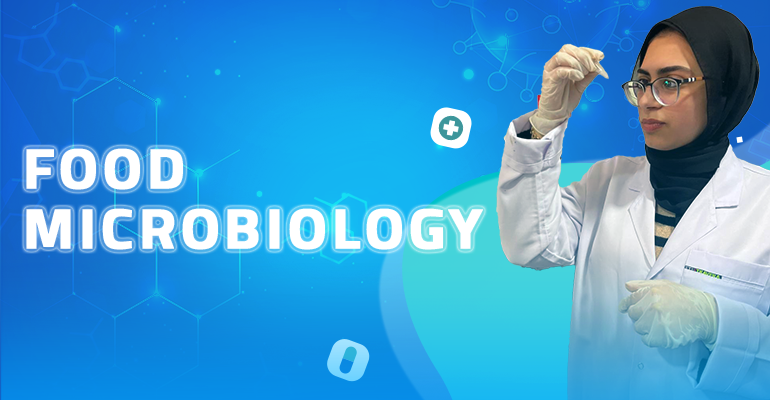
( Lecture 1) Introduction to Food Microbiology
Definition and importance of food microbiology _ Types of Microorganisms in food _ Microbial growth in food _ Factors affecting microbial growth
(Lecture 2) Microbial Ecology of Food
(Lecture 3) Pathogenic Microorganisms in Food
(Lecture 4) Food Preservation and Microbial Control
Your Instructors